

Introduction
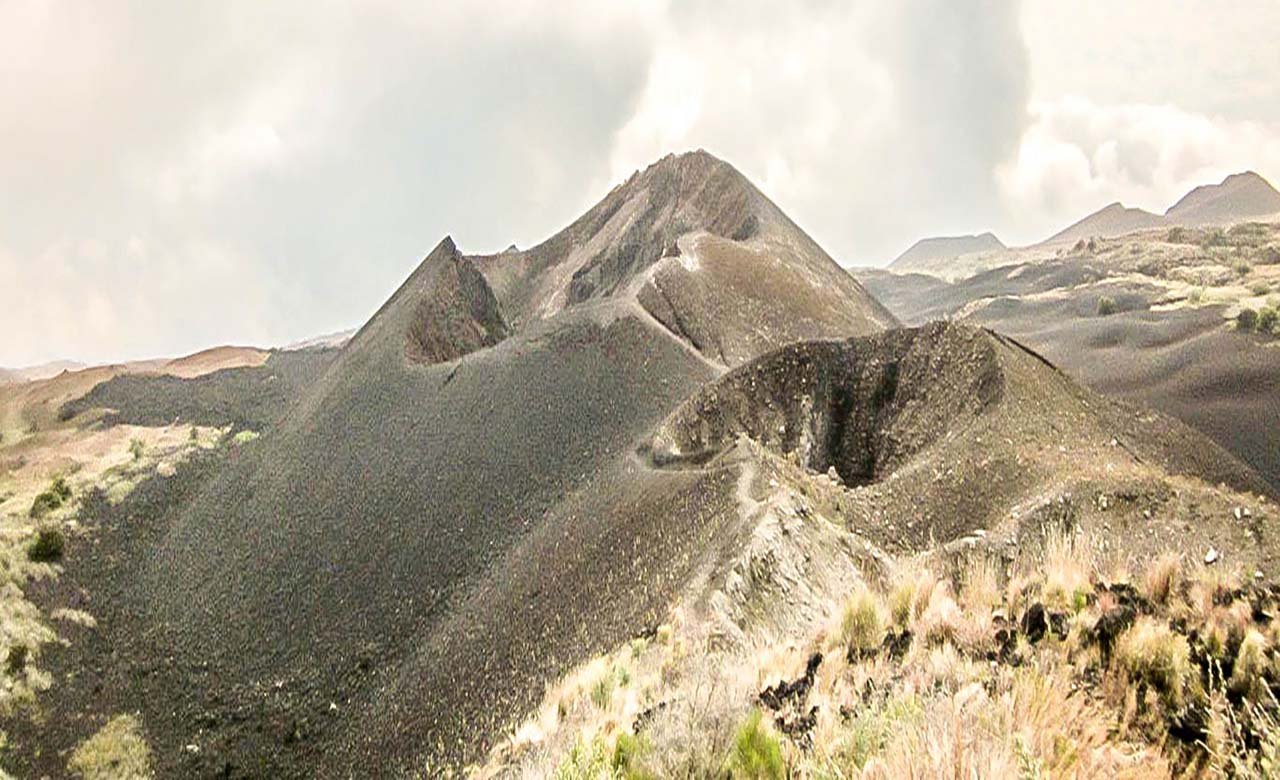
Nestled in the southwestern region of Cameroon, Mount Cameroon is the highest peak in West Africa, standing tall at 4,040 meters (13,255 feet). Known locally as “Mongo ma Ndemi” or “The Mountain of Greatness,” this volcano is not only a geological marvel but also a vibrant hub of cultural heritage and natural beauty. For adventure enthusiasts and nature lovers alike, Mount Cameroon offers an exhilarating experience that combines challenging hikes, breathtaking landscapes, and rich cultural encounters.
Why Visit Mount Cameroon?
Mount Cameroon is a must-visit destination for those seeking an adrenaline rush and a connection with nature. Its diverse ecosystems range from lush rainforests at the base to alpine moorlands near the summit, making it a living laboratory of biodiversity. The mountain also holds cultural significance for local communities, especially the Bakweri people, who have lived in harmony with the mountain for centuries.
Popular Hiking Trails
There are several routes to explore Mount Cameroon, each offering unique experiences:
- The Summit Trail (Kumba to the summit): The least popular route, this challenging trek takes approximately 2-3 days. It starts in Kumba and ascends through dense rainforest, bamboo groves, and volcanic landscapes to reach the crater rim.
- The Buea Trail: Starting from the town of Buea, this trail is suitable for intermediate hikers and offers panoramic views of the surrounding landscape. This is the most popular and less dangerous trail used for international events like the Cameroon Race of Hope, where hikers from different nationalities race to the summit. It should be noted that the last 3 races has been won by Cameroonians and for the most of the competition since its inception.
- The Idenau Trail: A less traveled path that begins near the coast and offers a different perspective of the mountain’s ecosystems.
Flora and Fauna
As you ascend, you’ll encounter a rich variety of flora such as giant ferns, orchids, and endemic plant species. The mountain is also home to diverse wildlife, including primates, birds, and insects. Birdwatchers can spot species like the Cameroon olive greenbul and the white-throated
mountain robin.
Cultural Significance
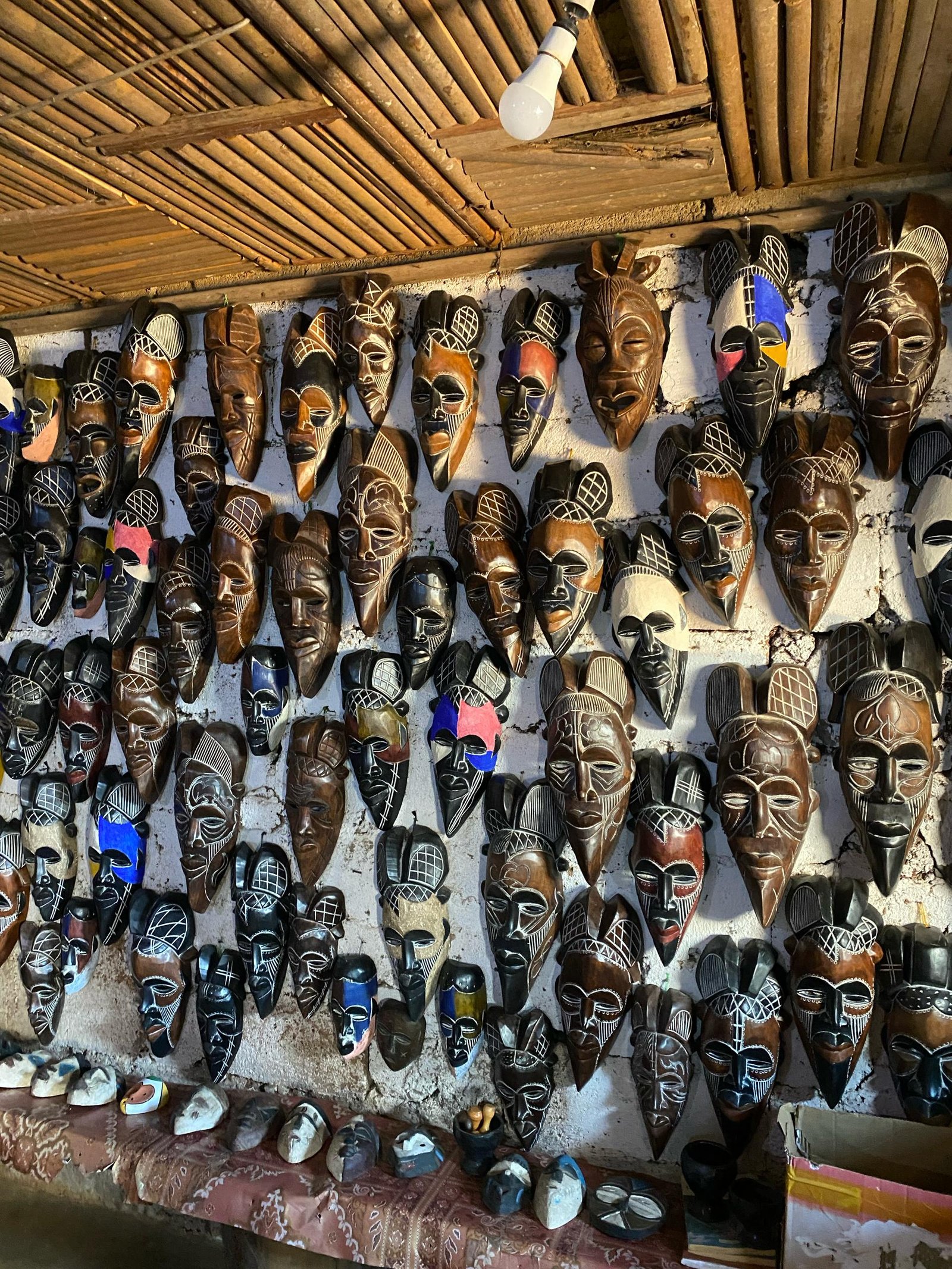
The mountain is sacred to the Bakweri people, who have traditional rituals and festivals honoring Mount Cameroon. Visiting local villages along the trails provides insight into their customs, crafts, and legends associated with the mountain.
Travel Tips for Hikers
- Best Time to Visit: The ideal period for trekking is from September to November and from January to May when the weather is cooler and drier.
- Necessary Gear: Sturdy hiking boots, rain gear, warm clothing for the summit, sunscreen, and ample water.
- Health Precautions: Be aware of altitude sickness; ascend gradually and stay hydrated. It’s advisable to go with experienced guides familiar with the terrain.
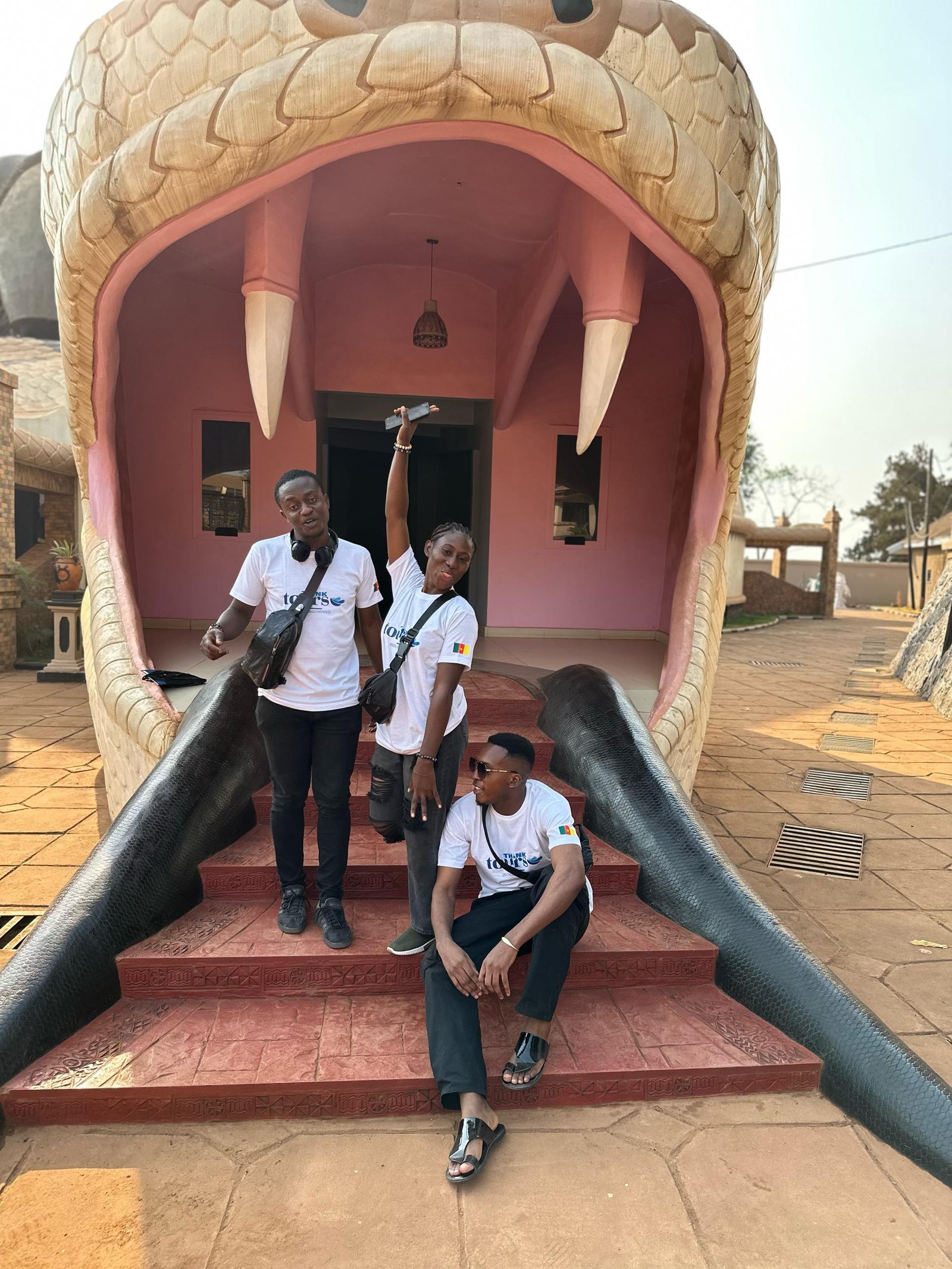
- Local Guides: Think Tours provides you with local guides not only for safety but also to enrich your cultural experience.
Stunning Visuals
Imagine standing atop the crater rim, gazing over the clouds and the lush valleys below. The sunrise over Mount Cameroon is truly a sight to behold, with vibrant hues illuminating the volcanic landscape.
Conclusion
Mount Cameroon is more than just a mountain; it’s a gateway to adventure, culture, and nature’s grandeur. Whether you’re an avid trekker, a nature enthusiast, or a cultural explorer, this majestic peak promises an unforgettable experience. Embark on a journey to discover one of Africa’s most captivating volcanic landscapes and create memories that will last a lifetime.