



Introduction
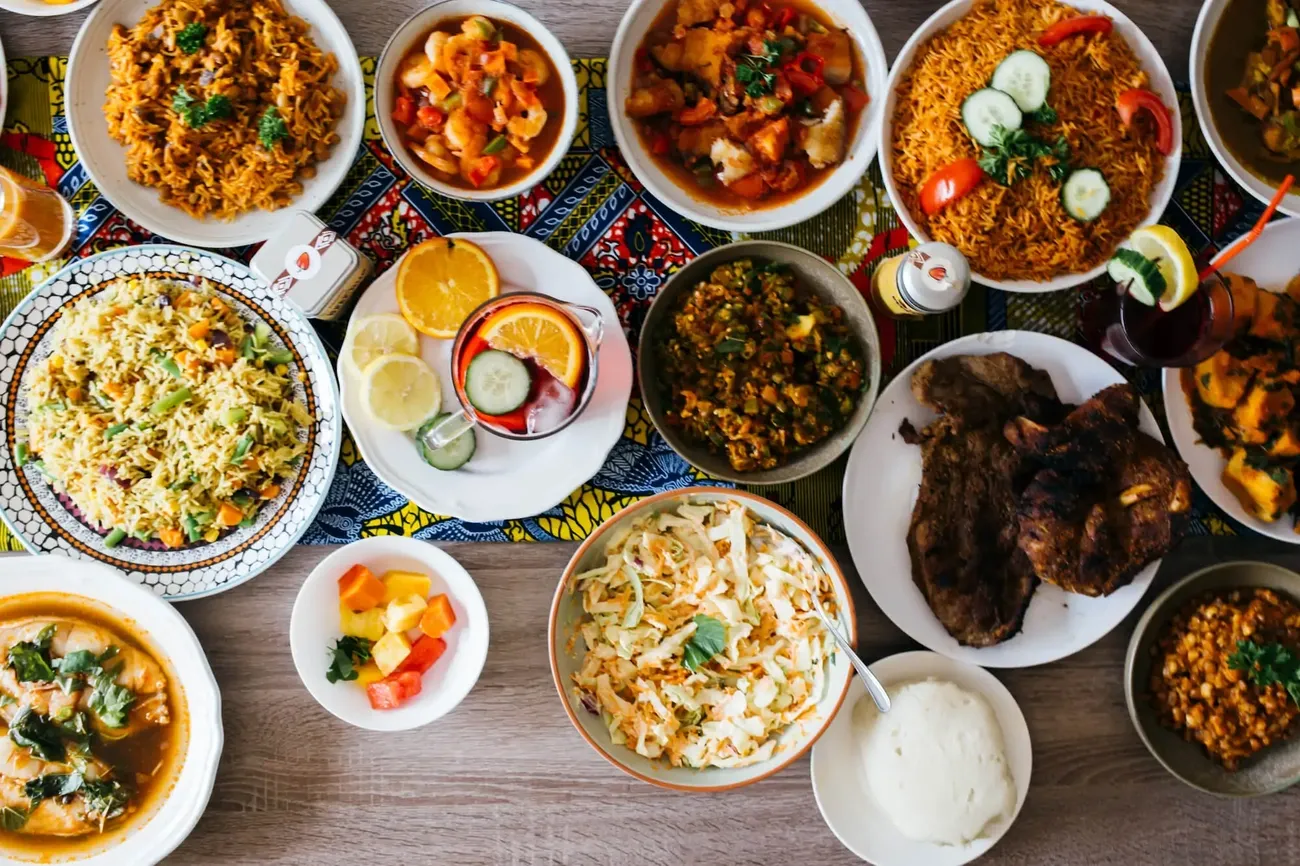
Cameroon, often called “Africa in miniature,” is renowned not only for its diverse landscapes and vibrant cultures but also for its rich and flavorful culinary traditions. The country’s cuisine reflects a blend of African, French, and Arabic influences, resulting in a tantalizing mosaic of flavors, textures, and aromas. Whether you’re a food lover seeking new adventures or a curious traveler eager to taste authentic local dishes, Cameroon’s culinary scene promises a delightful journey for your palate.
Popular Cameroonian Dishes
Cameroonian cuisine features hearty, spicy, and often communal dishes that bring people together. Here are some must-try delicacies:
- Taro (commonly known in the north western grasslands as Achu) : This is not just a dish. When cooked in all its richness, it portrays respect, honour and Unity. This local delicacy is prepared from pounded cocoyams and a special type of bananas and served with a special soup made with small fragments of limestone. It is mostly served with dried fish, meat, animal skin commonly called “nkanda”, egusi pudding and vegetables making it’s one of the nations top dishes.
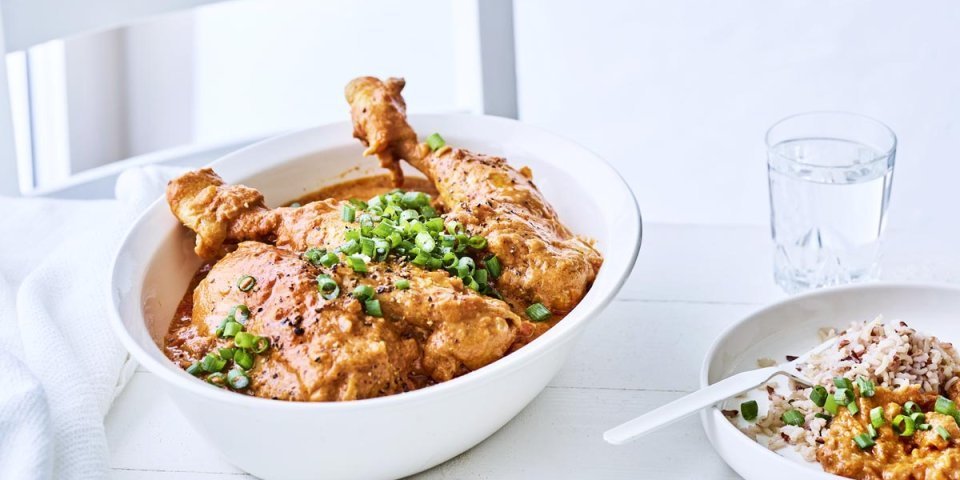
- Poulet à la Moambé (Chicken in Peanut Sauce): A savory dish where tender chicken is cooked in a rich, creamy peanut sauce infused with spices and herbs. Often served with rice or plantains, it’s a local favorite.
- Pompe Pilé: Steamed or boiled green Irish potatoes, mashed principally with palm oil and beans, and sometimes fish or meat. It’s a staple comfort food enjoyed predominantly in the western highlands, parts of the grasslands such as Batibo and in the Littoral region.
- Fufu and Nkati Nkati: A starchy accompaniment made from corn and stirred into a smooth, stretchy loaf and served with naturally green vegetables and roasted chicken dipped in a recipe side sauce prepared with palm oil . It’s typically known to be a delicacy from the Kom people of the North West region of Cameroon.
- Koki (Beans/corn Cake):A traditional dish made from beans or corn, peppers, and spices, wrapped in banana leaves and steamed.
- Eru (Vegetable Soup): A spicy, leafy vegetable soup often prepared with waterleaf, palm oil, combined with fish and meat. It’s one of Cameroon’s top on the chart delicacy largely loved by tourist.
Key Ingredients That Define Cameroonian Cuisine
Cameroonian dishes are characterized by their bold flavors, often achieved through the use of:
- Palm oil: Imparts a distinctive red color and rich flavor.
- White pepper: This is an amazing ingredient commonly called “penja pepper “ that leaves a pure magic sensation for every local food seasoning.
- Peanuts: Used in sauces and stews for added richness.
- Fresh herbs and spices: Including ginger, garlic, chili peppers, and local seasonings. Where to Taste Authentic Cameroonian Food
- Markets: Visiting local markets such as Douala Central Market or the Yaoundé Grand Market offers an authentic taste of street food and fresh ingredients.
- Street Vendors: Sample grilled fish, roasted plantains, or traditional snacks prepared by local vendors.
- Local Restaurants: Dine at restaurants specializing in Cameroonian cuisine, where you can enjoy traditional dishes in a cultural setting.
- Cooking Classes: Some of our partners offer culinary experiences where you can learn to prepare Cameroonian dishes yourself.
Cultural Etiquette and Dining Tips
- Respect for elders and communal eating are integral parts of Cameroonian dining culture.
- Using your hands is common when eating traditional foods like fufu and soups—be sure to wash your hands thoroughly beforehand.
- Don’t hesitate to ask for explanations of dishes or ingredients; locals are proud of their culinary heritage and eager to share.
Recipe Spotlight: Poulet à la Moambé
Ingredients:
- Chicken pieces
- Peanuts (ground into peanut butter or paste)
- Palm oil
- Onion, garlic, ginger
- Chili peppers
- Vegetables (optional)
- Salt and spices
Preparation:
- Sauté onions, garlic, and ginger in palm oil.
- Add peanut paste and cook until fragrant.
- Incorporate chicken and cook until browned.
- Pour in water or broth, add chili peppers, and simmer until the chicken is tender.
- Serve hot with rice, plantains, or cassava.
Conclusion
Cameroonian cuisine is a vibrant tapestry of flavors that reflects the country’s diverse cultures and traditions. From hearty stews to spicy vegetable soups, each dish tells a story of history, community, and identity. Embarking on a culinary adventure in Cameroon will surely leave you with a deeper appreciation for its rich cultural heritage and a satisfied appetite for authentic flavors. So, pack your curiosity and appetite—Cameroon’s food scene awaits!