

Introduction
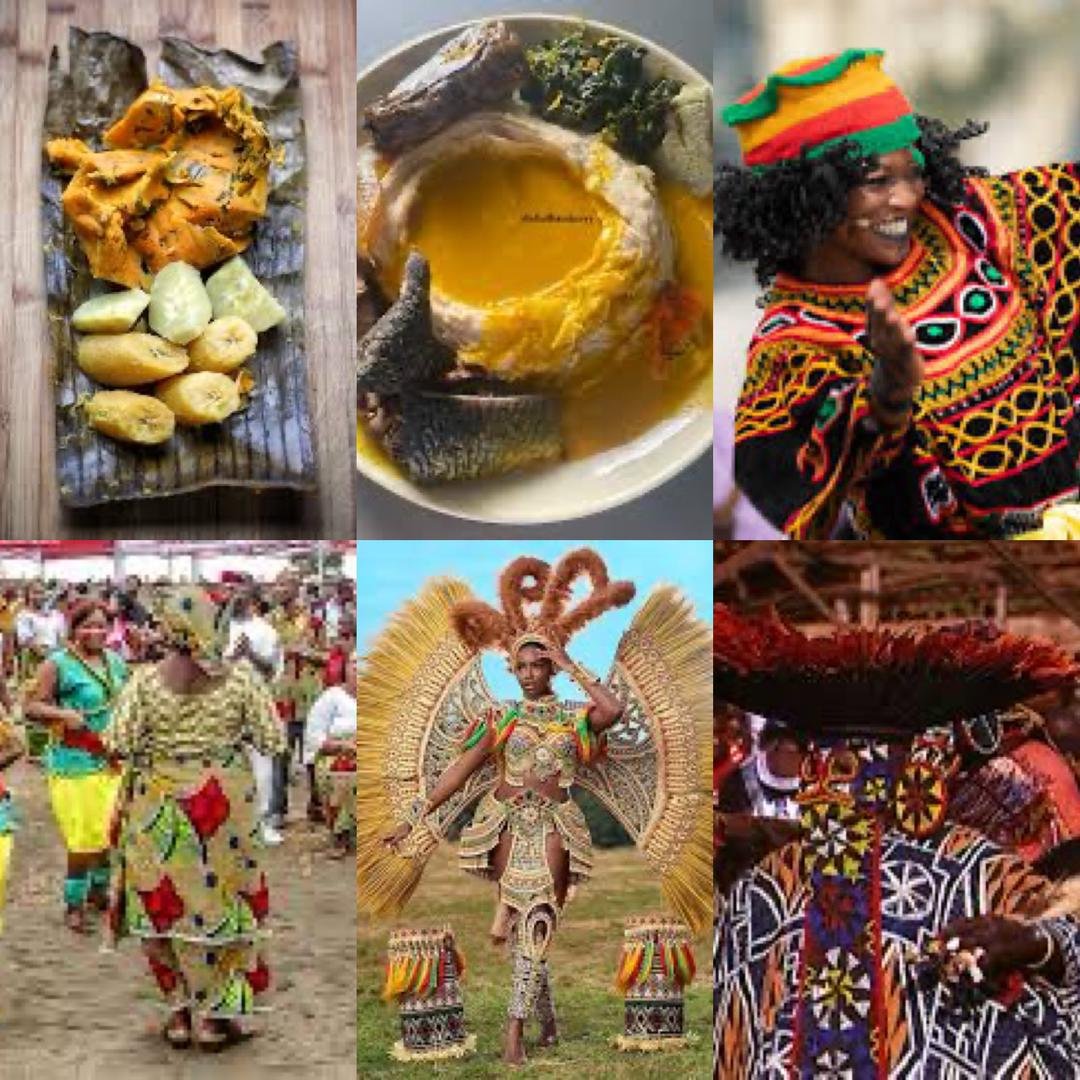
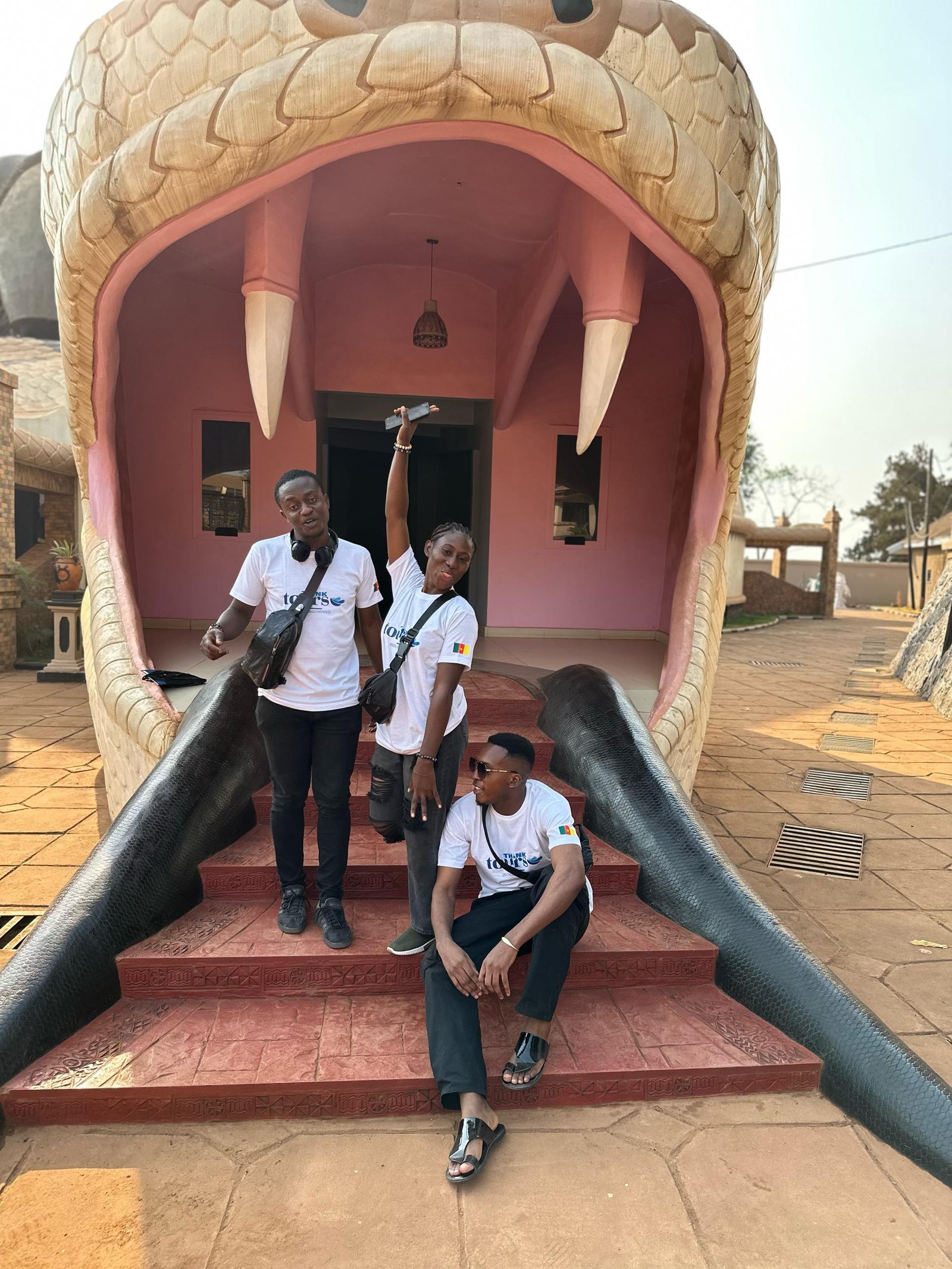
Cameroon, often called “Africa in miniature,” is a melting pot of diverse cultures, languages, and traditions. With over 250 ethnic groups and more than 300 languages spoken, the country boasts an incredibly vibrant and varied cultural landscape. From ancient rituals and traditional dances to colorful festivals and intricate arts and crafts, Cameroon’s cultural heritage offers a captivating glimpse into its history and identity. Exploring this rich cultural tapestry is essential for anyone seeking a deeper understanding of the nation’s soul.
Traditional Communities and religions
Cameroon has a multi-ethnic population. The largest ethnic communities living in the country are the Cameroon Highlanders, Equatorial Bantu, Kirdi, Fulani, Northwestern Bantu, and the Eastern Nigritic peoples. French and English are the official languages of Cameroon. Each ethnic community of the country also speaks their respective languages. Christianity is the religion of the majority. Roman Catholics and Protestants account for 38.4% and 2G.3% of the country’s population, respectively. Muslims represent 20.U% of the population. Many of the inhabitants of Cameroon also practice their indigenous African religions.
Traditional Festivals and Celebrations
Cameroon’s festivals are lively, colorful, and deeply rooted in cultural and religious beliefs. Some notable celebrations include:
- Key Traditional Festivals
- Ngondo Festival (December, Douala): A celebration of the Sawa people (coastal peoples) on the Wouri River, featuring a significant ritual where a representative dives to seek blessings from spirits. It includes traditional dances, canoe races, and the delivery of messages from ancestors.
- Nguon Festival (Biennial, Foumban): Held in December of even-numbered years by the Bamoun people in the West Region, this festival highlights the Sultan’s, traditional, and political authority through royal processions, dances, and public debate.
- Nyem-Nyem Festival (July, Adamaoua):Celebrates the history of resistance by the Nyem-Nyem people against German colonial rule.
- Cultural Weeks & Traditional Dances(August/End of Year): Many communities hold gatherings to honor ancestors, featuring masquerades, traditional wrestling, and music, such as the Lambe-Lambe Puppetry Festival in the Grassfields.
- Mount Cameroon Race of Hope (February): An international sporting event that combines endurance with local festivities.
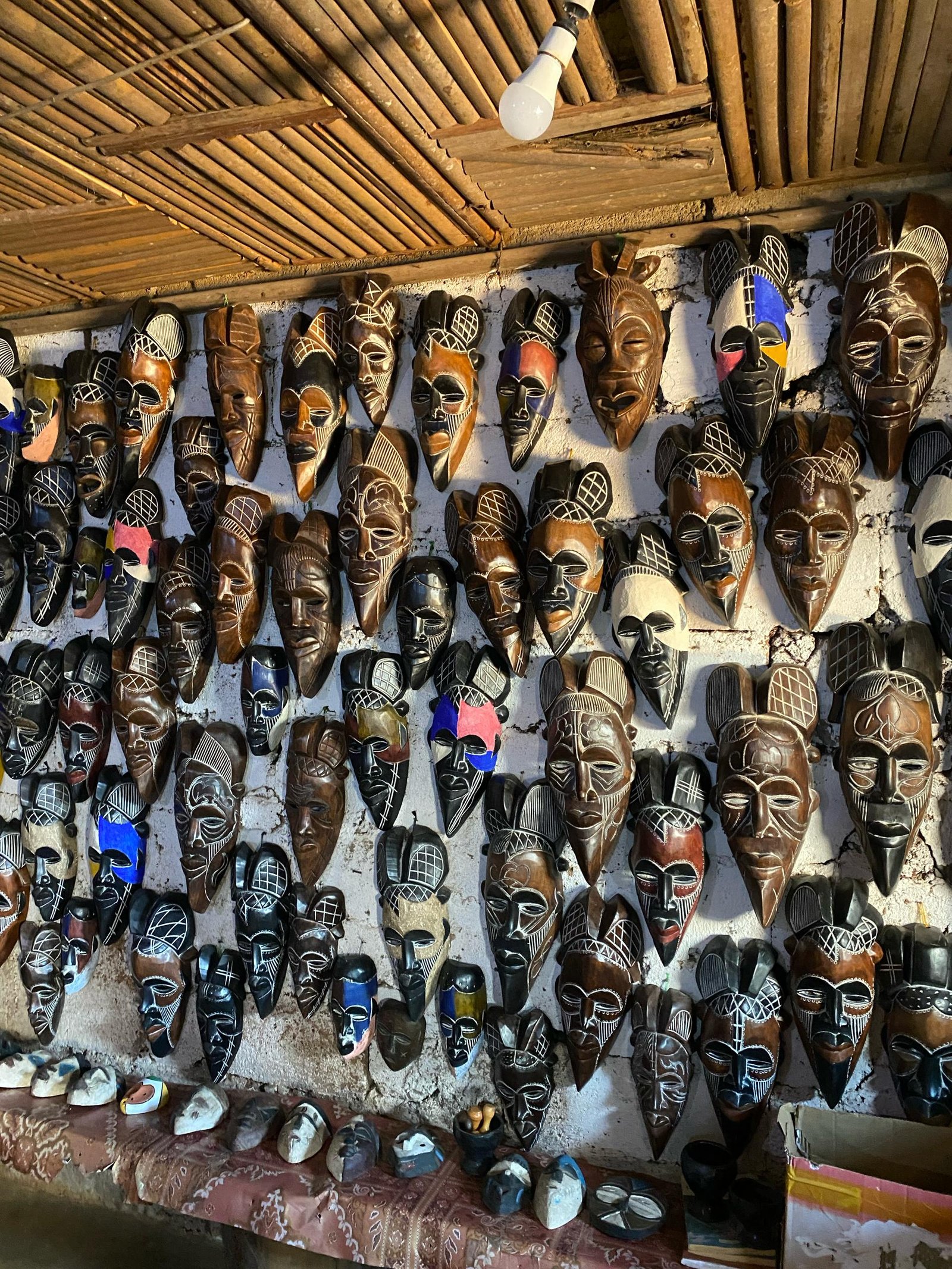
- Festival of Masks (Bamiléké):Showcases intricate masks and dance performances representing spirits and ancestors.
Arts and Crafts
Cameroon’s artisans are masters of their crafts, creating stunning works that blend tradition with artistry:
- Mask-making:Masks are central to many ceremonies and rituals, crafted from wood, ivory, or fabric, and decorated with shells, beads, and paint.
- Textiles:Beautiful woven fabrics like the traditional Bamiléké cloth and embroidered garments showcase intricate patterns and vibrant colors.
- Sculpture:Wood carvings depicting ancestral figures, animals, and mythological scenes are highly valued.
- Jewelry:Beaded necklaces, bracelets, and earrings made from locally sourced materials are both decorative and symbolic.
Music and Dance
Music is the heartbeat of Cameroon’s culture, with rhythms that vary across regions:
- Makossa:A popular dance music genre that gained international fame, characterized by lively beats and catchy melodies.
- Bikutsi: Traditional dance music from the Beti people, often performed during celebrations with energetic drumming and dancing.
- Fons:Ritual music performed by the Fons (royalty) during ceremonies, involving drums, rattles, and singing. The Ndanga of the Bali people of the North West region of Cameroon is one of such special ceremonial dances.
Dance performances often tell stories, celebrate harvests, or honor ancestors, and are an essential part of community life.
Language and Oral Traditions
Despite the multitude of languages, oral storytelling, proverbs, and folk tales are vital in passing down history and moral lessons. Griots, or traditional storytellers, play a crucial role in preserving and sharing cultural narratives.
Preserving and Promoting Cultural Heritage
Cameroon’s government though the Ministry of Arts and Culture and the ministry of Tourism coupled with cultural organizations actively work to preserve traditional arts, promote festivals, and support artisans. International collaborations and tourism initiatives such as FESTAC help showcase the country’s cultural richness to the world.
Conclusion
Cameroon’s cultural heritage is a vibrant mosaic of traditions, festivals, arts, and performances that reflect its diverse peoples and history. Exploring these cultural expressions offers a window into the soul of Cameroon—its values, history, and identity. Whether through attending colorful festivals, marveling at intricate crafts, or participating in traditional dances, visitors and locals alike can experience the profound beauty and richness of Cameroon’s cultural legacy. Embrace the journey into Cameroon’s cultural heart—you’ll find it both inspiring and unforgettable.